What is Ozone Generator for Clean In Place (CIP)?
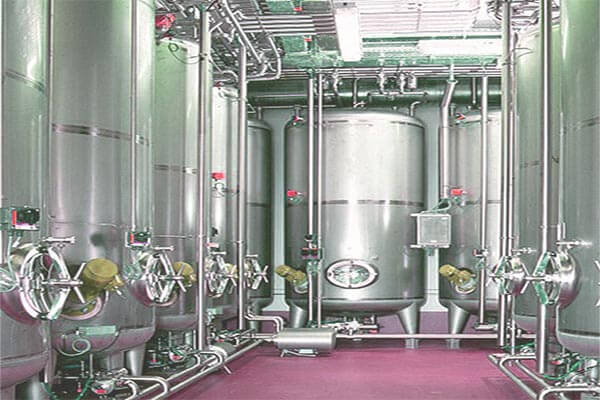
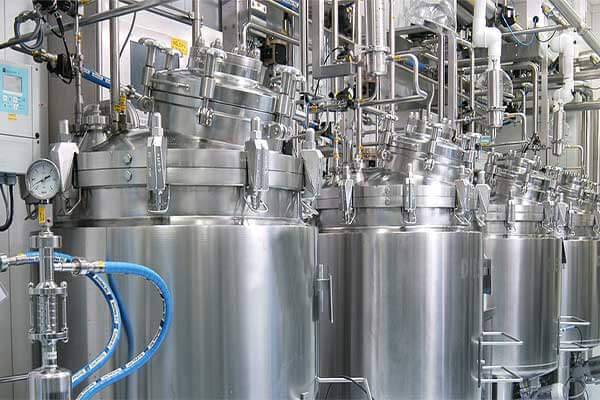
An ozone generator for Clean in Place (CIP) is a device that produces ozone gas, which is used to clean and disinfect industrial equipment and systems in place, without the need for dismantling. CIP systems are commonly used in the food and beverage industry to clean and sanitize equipment and pipelines, including tanks, mixers, pipes, and valves.
Ozone is a powerful oxidant that can destroy microorganisms, bacteria, and other contaminants on contact, making it an effective method for cleaning and disinfection. Ozone can also remove odors and reduce the amount of chemical cleaning agents needed, making it a more environmentally friendly and cost-effective option.
Ozone generators typically work by creating an electric discharge that converts oxygen in the air into ozone gas. The ozone gas is then injected into the CIP system, where it reacts with contaminants and breaks them down into harmless by products.
An Ozone Generator for Clean in Place (CIP) is a specialized industrial system that produces ozone gas to clean and sanitize equipment, pipelines, tanks, and internal surfaces without the need for disassembly. CIP processes are essential in industries such as food and beverage, dairy, pharmaceuticals, and bottling where frequent and thorough internal cleaning of wetted equipment is required. By introducing ozone—one of the most powerful natural oxidants—directly into cleaning cycles, these systems eliminate contaminants, destroy biofilms, and deactivate pathogens more efficiently than many traditional chemical methods.
Ozone CIP systems not only streamline sanitation workflows and improve hygiene standards, they reduce dependency on chemical detergents and hot water cycles, cutting water, energy, and operational costs while supporting food safety and regulatory compliance. Their integration into CIP routines enhances productivity, lowers environmental impact, and safeguards personnel from exposure to hazardous cleaning chemicals.
-
Efficient cleaning : Ozone is a powerful oxidant that can penetrate and remove stubborn contaminants, such as biofilms, more effectively than traditional cleaning agents.
-
Reduced use of chemicals : Ozone can reduce the amount of chemicals needed for cleaning and sanitization, minimizing the environmental impact and reducing costs associated with chemical disposal.
-
Shorter cleaning times : Ozone treatment can reduce the time needed for cleaning and sanitization, allowing for faster turnaround times and increased productivity.
-
Improved quality control : Ozone treatment can help ensure consistent cleaning and sanitization results, minimizing the risk of contamination and maintaining product quality.
-
Reduced risk of employee exposure : Ozone treatment can help reduce the risk of exposure to harmful chemicals for employees involved in the cleaning process.
Overall, ozone generators for CIP systems offer a safe, effective, and environmentally friendly method for cleaning and sanitizing industrial equipment and systems, helping to improve efficiency, productivity, and product quality.
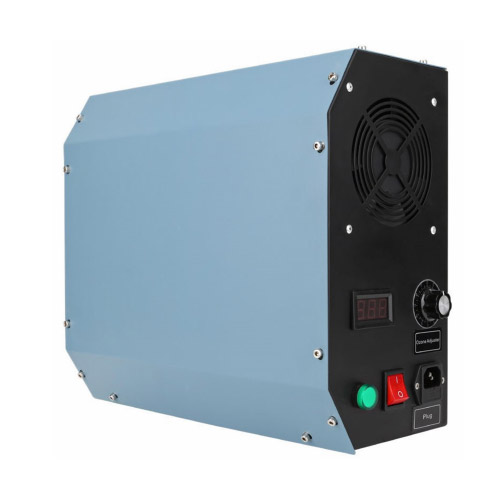
Eltech ozonated water machine
Core Technology & Data
-
Ozone Generation & Functionality
Ozone (O₃) is produced on-site using a high-voltage electrical discharge (corona discharge) that converts oxygen molecules in air or oxygen feed gas into ozone. Once generated, ozone gas is dissolved in water or injected directly into CIP circuits where it reacts with contaminants.
-
Oxidation & Disinfection Mechanism
Due to its exceptionally high oxidation potential, ozone rapidly breaks down organic residues, bacterial cells, yeasts, molds, viruses, and stubborn biofilms inside pipelines, vessels, valves, and heat exchangers. Ozone’s action both sanitizes surfaces and removes residues that traditional methods may struggle to reach.
-
Integration with CIP Systems
In practice, ozone is incorporated into CIP cleaning sequences either dissolved into recirculated rinse water or fed through injector systems tailored to the topology of the process lines. This enables effective contact with all wetted surfaces, ensuring broad-spectrum sanitation without dismantling equipment. Ozonated solutions are especially valuable where hygiene standards are stringent and downtime must be minimized.
-
Key Performance Metrics
Industrial ozone generators deployed in CIP are sized based on flow rates and surface area to be cleaned, ensuring correct ozone dose and contact time. Typical performance indicators include:
- Oxidation-Reduction Potential (ORP) levels achieved in CIP rinse water.
- Reduction of microbial loads measured in log-scale decreases.
- Biofilm removal effectiveness across complex pipe geometries.
- Cycle time reduction compared to conventional methods.
Benefits & Performance Highlights
-
Powerful Disinfection Without Residues
Ozone is a superior oxidant that inactivates bacteria, viruses, and other pathogens more rapidly and broadly than many traditional sanitizers. After oxidation, ozone decomposes back into oxygen, leaving no chemical residues that could compromise product quality or safety.
-
Reduction in Water, Chemical & Energy Usage
Ozone enables many CIP processes to be carried out with fewer rinse cycles, at lower temperatures, and with reduced reliance on chemical detergents and hot water, meaning significant savings in water and energy consumption.
-
Shortened Cleaning Cycles & Higher Productivity
Ozone’s rapid reaction kinetics facilitate faster cleaning cycles, improving overall equipment uptime and throughput. This is especially valuable in high-volume production environments where downtime directly impacts output.
-
Enhanced Biofilm Control
Biofilms, common culprits in persistent contamination, are more effectively disrupted and removed by ozonated water than by many conventional cleaning solutions, helping maintain sanitary interiors across repeated production cycles.
-
Improved Safety & Operational Efficiency
Replacing or reducing hazardous chemical cleaners lowers the risk of operator exposure, simplifies chemical handling, and enhances workplace safety. It also reduces costs associated with chemical storage, handling, and disposal.
-
Environmentally Friendly & Sustainable
Because ozone breaks down naturally into oxygen and eliminates many chemical inputs, ozone CIP systems help reduce environmental impact, support sustainability goals, and streamline compliance with food safety standards.
Core Technology & Data