
Ozone Generator for Poultry
What is Ozone Generator for Poultry?
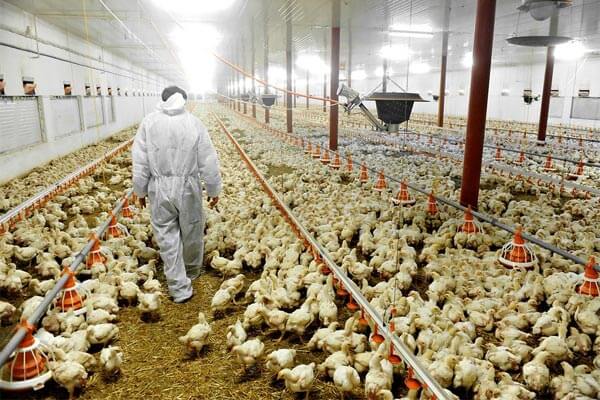
Ozone generators are devices that produce ozone gas, which can be used for a variety of applications including air purification, water treatment, and odor control. In the context of poultry farming, ozone generators can be used to disinfect the air and surfaces in poultry houses, reducing the risk of disease transmission and improving overall hygiene.
When ozone gas is introduced into the air or onto surfaces, it can kill bacteria, viruses, and other microorganisms by breaking down their cell walls. This makes it an effective tool for reducing the spread of disease in poultry flocks.
However, it's important to note that ozone can be harmful to both humans and animals if not used properly. Exposure to high levels of ozone gas can cause respiratory irritation, coughing, and other health problems. Therefore, it's essential to follow all safety guidelines and use ozone generators only in well-ventilated areas and in accordance with manufacturer instructions.
In summary, ozone generators can be a useful tool for disinfecting poultry houses and reducing the spread of disease, but proper safety precautions must be taken to avoid negative health effects.
Benefits of Ozone Generator for Poultry
- Improved air quality: Ozone generators can help reduce the levels of dust, ammonia, and other harmful gases in poultry houses, improving the overall air quality for both birds and workers.
- Reduced disease transmission: Ozone gas can kill bacteria, viruses, and other microorganisms on surfaces and in the air, reducing the risk of disease transmission among poultry flocks.
- Increased hygiene: Ozone can also help control odors and remove organic matter from surfaces, contributing to improved hygiene and sanitation in poultry houses.
- Reduced need for chemical disinfectants: Using an ozone generator can reduce the need for chemical disinfectants, which can be expensive and potentially harmful to both birds and workers.
- Cost-effective: Ozone generators are generally cost-effective compared to other disinfection methods, and can be used on a continuous basis to maintain a clean and healthy environment for poultry.
Overall, using an ozone generator in poultry farming can help improve the health and well-being of birds, reduce the risk of disease transmission, and promote a safer and more hygienic working environment for workers.
Click here to read more about Ozone Generator for Poultry