
What is Effluent Water Treatment?

An Ozone Generator for Effluent Water Treatment is a specialized industrial system that produces ozone (O₃), one of the strongest oxidants used in modern wastewater purification. These systems are designed to treat effluent streams from industrial, municipal, and agricultural sources by oxidizing organic and inorganic contaminants, reducing biochemical oxygen demand (BOD) and chemical oxygen demand (COD), and disinfecting harmful microorganisms before discharge into the environment. Ozone treatment enhances water quality, reduces odor and turbidity, and can be used alone or in conjunction with biological and physical wastewater treatment processes. Because ozone decomposes back into oxygen after reaction, it offers an environmentally friendly alternative to traditional chemical disinfectants while helping facilities meet stringent effluent quality standards.

An ozone generator for effluent water treatment is a device that produces ozone gas, which is used as a powerful oxidizing agent to treat and disinfect wastewater or effluent water. Ozone is a highly reactive molecule that can destroy bacteria, viruses, and other contaminants in water, making it an effective method for ensuring the safety and quality of effluent water.

Effluent water is typically generated from industrial processes, municipal wastewater treatment plants, and agricultural operations, among other sources. Ozone treatment can be used to effectively remove or reduce contaminants such as organic matter, suspended solids, nitrogen, and phosphorus, as well as destroy bacteria and viruses, resulting in treated water that is safe for discharge into the environment.
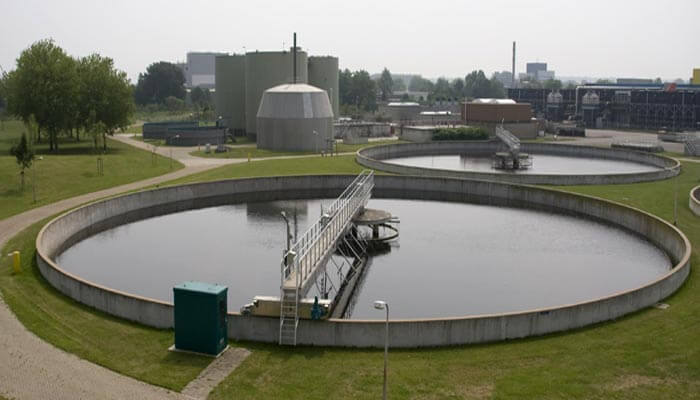
Benefits of Effluent Water Treatment :

  • Enhanced disinfection : Ozone is a powerful oxidizing agent that can destroy a wide range of microorganisms in water, including bacteria, viruses, and other pathogens, helping to ensure the safety and quality of the treated water.

  • Reduced chemical usage : Ozone treatment can reduce the amount of chemicals required for disinfection, minimizing the environmental impact and reducing costs associated with chemical disposal.

  • Improved water quality : Ozone treatment can help to remove unwanted tastes and odors from the water, as well as reducing the amount of dissolved solids and minerals, resulting in better quality effluent water.

  • Environmentally friendly : Ozone is a natural and environmentally friendly disinfectant that breaks down into oxygen, leaving no harmful residues or byproducts.

  • Regulatory compliance : Ozone treatment can help to ensure compliance with local and national environmental regulations related to effluent water discharge.

Overall, the use of an ozone generator for effluent water treatment offers a safe, effective, and environmentally friendly method for treating and disinfecting wastewater, helping to reduce environmental impacts, minimize risks, and improve public health.

Core Technology & Data

  • Ozone Generation & Oxidation Mechanism
    Ozone is generated on-site using corona discharge technology that converts oxygen (O₂) into ozone (O₃). When injected into effluent water, ozone’s high oxidation potential reacts with a wide range of contaminants, including organic matter, suspended solids, and pathogenic microorganisms, breaking them down into simpler, less harmful substances.

Contaminant Breakdown & Disinfection

In effluent water treatment, ozone:

  • Oxidizes organic pollutants reducing BOD and COD load.
  • Disrupts cell walls of microbes inactivating bacteria, viruses, and protozoa
  • Reduces colour, odor, and turbidityby breaking down complex organics.
  • Enhances dissolved oxygen levels post-reaction, aiding downstream biological treatment or discharge requirements.

Ozone may be applied in tertiary treatment stages or integrated with biological, chemical, and filtration processes to improve overall effluent quality and support compliance with environmental discharge standards.

Benefits & Performance Highlights

  • Broad-Spectrum Oxidation & Disinfection
    Ozone is a highly potent oxidant that effectively breaks down a broad range of contaminants and inactivates microorganisms, often more thoroughly than chlorine-based disinfection methods. Its high oxidation potential tackles recalcitrant organics and chlorine-resistant pathogens.
  • Reduced Chemical Usage & By-Products
    Unlike traditional disinfectants, ozone does not leave harmful chemical residues or by-products in treated effluent water. It decomposes rapidly back into oxygen, minimizing environmental impact.
  • Improved Water Quality
    Ozone treatment lowers BOD and COD, reduces turbidity, removes color and odor-causing compounds, and enhances overall effluent clarity and stability before discharge or reuse.
  • Enhances Downstream Treatment
    By reducing organic loads and increasing dissolved oxygen, ozonation can support more efficient biological treatment processes or more consistent compliance with regulatory water quality standards.
  • Environmental & Regulatory Compliance
    Ozone helps facilities meet stringent environmental discharge requirements through efficient oxidation and microbial inactivation, without introducing additional hazardous chemicals into the water or surrounding ecosystems.
  • Operational Safety & Sustainability
    On-site ozone generation eliminates storage and handling of hazardous chemicals, enhancing workplace safety while supporting sustainable wastewater management practices.
Ozone generator for effluent water treatment Effluent water ozonation system Industrial wastewater ozone treatment Ozone disinfection for effluent water Ozone oxidation wastewater Chemical-free effluent purification Ozone in effluent treatment plants Reduce BOD COD with ozone Ozone oxidation organic pollutant removal Sustainable wastewater treatment ozone