
What is Ozone Generator for Food Processing Industry?

An Ozone Generator for Vegetable Cleaning is a high-efficiency sanitation system that produces ozone (O₃) — one of the strongest natural oxidants — to wash and disinfect fresh produce. When dissolved in wash water, ozone reacts rapidly with surface pathogens, pesticide residues, and organic contaminants on vegetables and fruits. This results in cleaner, safer produce with no chemical residues left behind, because ozone decomposes back into oxygen after use. The technology is widely used in food processing lines, retail produce preparation, food service operations, and commercial kitchens where hygiene, safety, and shelf life are priorities.

An ozone generator for the food processing industry is a device that produces ozone gas, which is used as a powerful disinfectant to clean and sanitize food processing equipment, facilities, and surfaces. Ozone is a highly reactive molecule that can destroy bacteria, viruses, and other contaminants, making it an effective method for ensuring the safety and quality of food products.
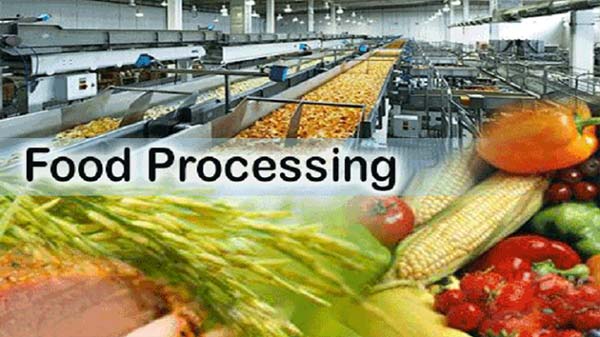
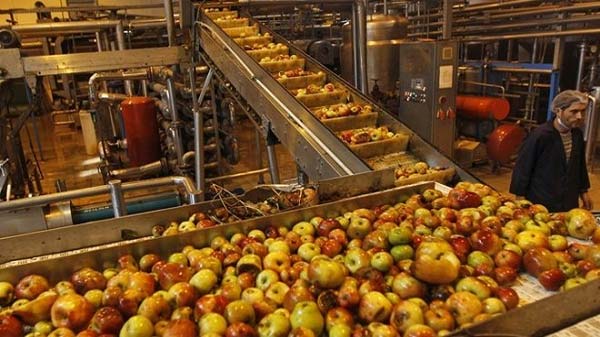
Food processing involves many steps that can introduce contaminants and pathogens into the food products, including equipment and facility surfaces, human handling, and transport. Ozone treatment can be used to effectively remove or reduce contaminants such as organic matter, biofilms, and other pathogens, resulting in a safer and higher-quality food product.

Benefits of Ozone Generator for Food Processing Industry :

  • Enhanced disinfection : Ozone is a powerful oxidizing agent that can destroy a wide range of microorganisms on equipment, surfaces, and in the air, helping to ensure the safety and quality of food products.

  • Reduced chemical usage : Ozone treatment can reduce the amount of chemicals required for disinfection, minimizing the environmental impact and reducing costs associated with chemical disposal.

  • Improved shelf life : Ozone treatment can help to slow down the growth of microorganisms on food products, helping to extend their shelf life and maintain their quality and freshness.

  • Environmentally friendly : Ozone is a natural and environmentally friendly disinfectant that breaks down into oxygen, leaving no harmful residues or byproducts.

  • Improved food safety : Ozone treatment can help to reduce the risk of foodborne illnesses associated with the consumption of contaminated food products.

  • Compliance with regulatory requirements : Ozone treatment can help to meet regulatory requirements related to food safety and quality, ensuring that food products meet the highest standards.

Overall, the use of an ozone generator for the food processing industry offers a safe, effective, and environmentally friendly method for cleaning and sanitizing equipment, surfaces, and air, helping to improve food safety, reduce costs, and minimize environmental impacts.

Core Technology & Data

  • Ozone Generation & Action Mechanism
    Ozone is generated on-site using corona discharge, which converts oxygen (O₂) into ozone (O₃) with very high oxidation potential. Once introduced into wash water, ozone molecules seek out and react with organic contaminants and microbes. Its oxidative reaction damages cell membranes of bacteria, molds, and viruses, effectively inactivating them.
    Ozone also targets chemical residues on produce surfaces, breaking down many pesticides and volatile compounds into simpler, non-toxic substances without leaving any harmful by-products. Because ozone has a short life span in water, it naturally decomposes into oxygen, eliminating concerns tied to chemical cleaners.
  • Integration in Produce Washing Systems
    Ozone systems for vegetable cleaning are typically integrated into wash tanks, flumes, or spray lines. Ozone contact time, concentration, and water quality are calibrated to maximize microbial reduction and contaminant breakdown while avoiding any stress on delicate produce. Excess ozone is safely removed or decomposed before the produce exits the wash stage.

Benefits & Performance Highlights

  • Powerful Microbial Control
    Ozone’s strong oxidation potential enables rapid inactivation of harmful pathogens, reducing surface bacteria and viruses and improving overall produce safety.
  • Pesticide and Contaminant Reduction
    Ozone reacts with a wide range of pesticide residues and surface chemicals, lowering their presence on fruits and vegetables and contributing to cleaner food for consumers.
  • No Chemical Residues
    Unlike traditional sanitizers like chlorine or peracetic acid, ozone leaves no chemical footprint. After oxidation, it reverts to oxygen, ensuring produce and wash water are free of toxic residues.
  • Extended Freshness and Shelf Life
    Ozone treatment delays microbial spoilage and slows down degradation, helping fresh produce stay visually appealing and safe for longer periods — a commercial advantage for retailers and processors.
  • Eco-Friendly & Sustainable
    Ozone eliminates reliance on stored chemicals, reduces wastewater impact, and supports modern sustainability goals in food processing and retail sectors.
  • Improved Quality and Sensory Appeal
    By removing odors, surface contaminants, and microbial films, ozone washing enhances the look, smell, and overall perceived quality of vegetables and fruits.
ozone generator for vegetable cleaning ozone produce wash system vegetable sanitization with ozone ozone fruit and vegetable disinfection chemical-free produce cleaning ozone water washing vegetables pesticide removal ozone food safety ozone technology ozone surface sanitization produce fresh produce ozone treatment